Restaurant Concepts: Ghost Kitchens, Hybrid Models & Experiential Dining
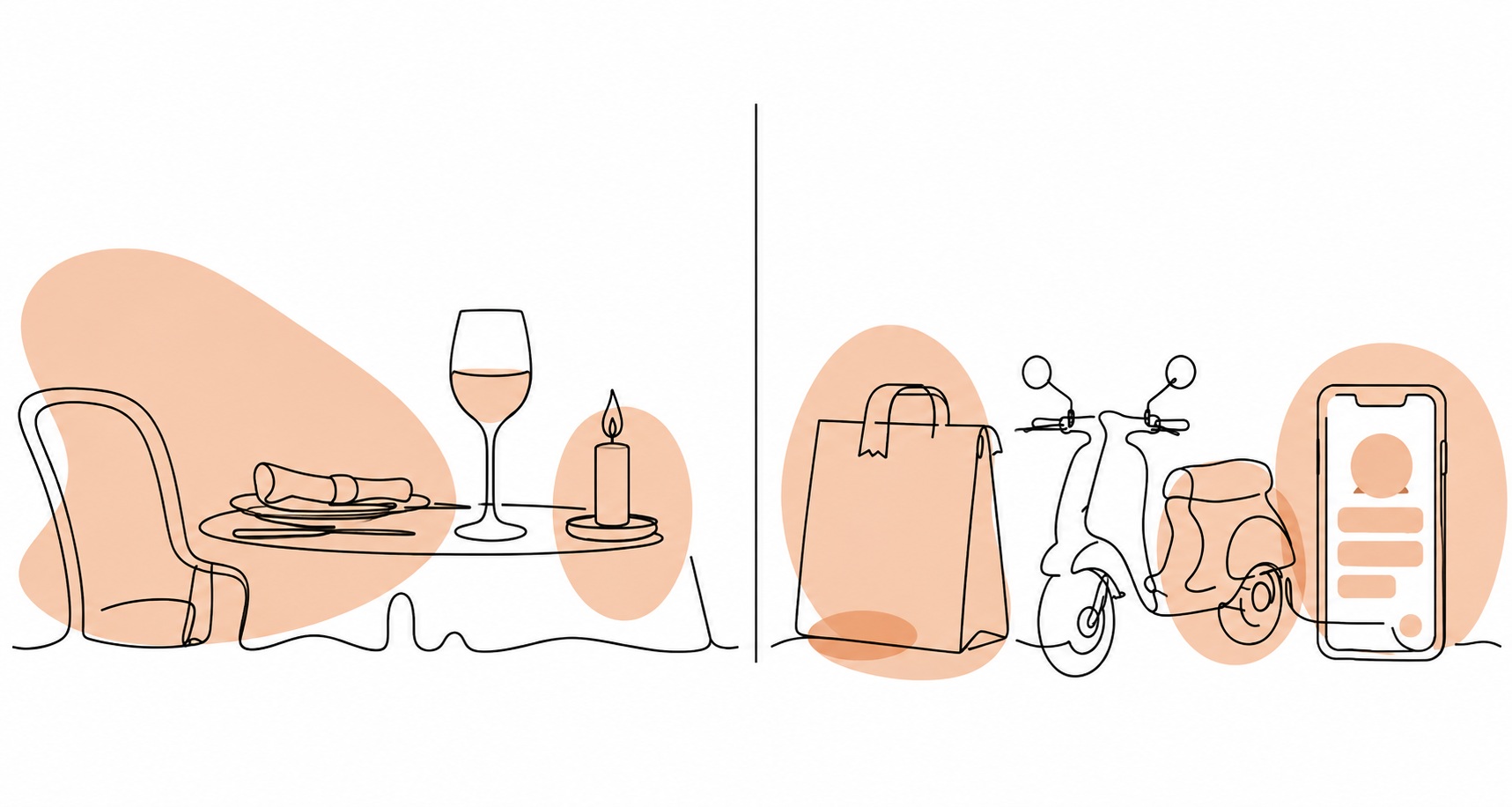


The way restaurants define themselves is shifting fast. A concept used to mean one thing: fine dining, fast-casual, food truck — pick a lane and stay in it. In 2026, the most resilient restaurants are the ones blending several concepts under one roof, one kitchen, or one brand.
From Ghost Kitchens to Hybrid Host Kitchens
Ghost kitchens — delivery-only operations with no dining room — were one of the biggest restaurant trends of the past few years. But standalone ghost kitchens have had a rough run: without a physical location customers can trust, many struggled to build loyalty or margin.
What's replacing them is a hybrid model. Instead of opening a delivery-only location from scratch, an existing dine-in restaurant runs a second, delivery-only brand out of its own kitchen during off-peak hours — often with the same staff and ingredients, just a different menu and packaging. It's a way to capture extra revenue from kitchen capacity that would otherwise sit idle, according to Eats365.
Virtual Brands: One Kitchen, Multiple Restaurants
Datassential's 2025 Industry Forecast points to the same shift: as pure delivery-only startups slow down, "ability to run multiple concepts" out of one kitchen is now listed among the model's biggest advantages — because it lets operators maximize efficiency without opening a new physical location. There were already more than 34,000 ghost restaurants operating in the US as of late 2024, and 76% of them were run by multi-unit chains rather than independent, one-location operators — a sign of how mainstream the multi-concept approach has become.
For operators, this means a single team may need to execute two or three different menus, brand standards, and packaging workflows in the same shift — a real operational and training challenge that didn't exist five years ago.
Experiential Dining: Guests Want a Story, Not Just a Meal
The second major shift is on the dine-in side. The old "sit, eat, leave" model is giving way to concepts built around an experience — pop-ups, collaborations, immersive formats like "Dine in the Dark," live music, or staff-driven storytelling. Guests are more likely to choose a restaurant hosting something memorable over one that simply serves good food, according to KitchenHub.
That raises the bar for staff: servers and hosts aren't just taking orders anymore — they're part of the show, and need to be trained to deliver a consistent experience, not just accurate tickets.
What This Means for Staff Training and Operations
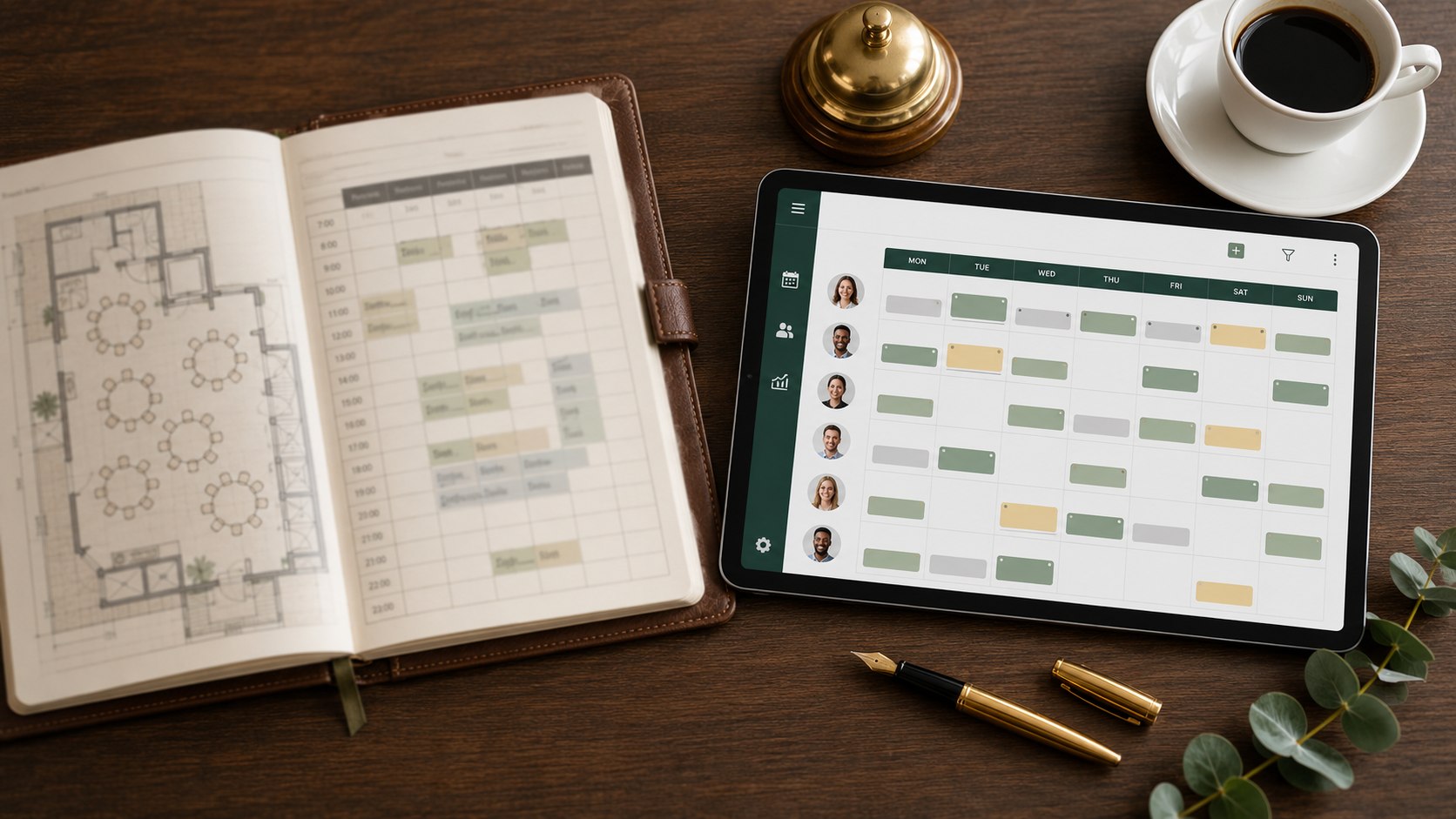
Whether it's a kitchen running three virtual brands at once or a dining room built around a nightly theme, the common thread is complexity. Multi-concept operations only work if every shift — regardless of which "restaurant" is active that hour — follows the same standard for food safety, service, and brand voice.
That's where structured staff training and onboarding matter more than ever. A team that can switch between concepts without dropping quality is the real competitive edge behind all of this — not the concept itself, but how consistently it's executed.
Curious about the fundamentals first? Read our guide to the 6 core restaurant concepts before diving into these hybrid models.
FAQ
What is a hybrid ghost kitchen model?
It's when an existing dine-in restaurant runs an additional delivery-only virtual brand from the same kitchen, using existing staff and equipment to serve a separate menu without opening a new physical location.
Why are standalone ghost kitchens declining?
Standalone ghost kitchens often struggle without a physical location customers recognize and trust, making it harder to build repeat business and brand loyalty compared to hybrid or dine-in-anchored models.
What is experiential dining?
Experiential dining is a restaurant concept built around more than food — think immersive themes, live entertainment, pop-ups, or staff-led storytelling — designed to give guests a memorable experience, not just a meal.
Sources
Datassential, In Focus: Ghost Restaurants, 2025 Industry Forecast (growth and multi-concept data).
Eats365, Riding the Ghost Kitchen Trend.
KitchenHub, Experiential Dining Trends for 2026.